

Back in February 2025, share story on Facebook that genuinely stopped me in my tracks. She had received a small package in her post containing nothing but two blank envelopes. The sender had shipped it through USPS with a real tracking number, passing it off as proof that an order had been sent.
She was suspicious that other people in her area had ordered stuff online and got the same tracking number and their actual order did not come. I did some investigations and, frankly speaking, she was absolutely right in her suspicions. This is a live scam, it is spreading at a rapid rate and it is more believable than most people can even guess.
What Is the “Same ZIP Code” Tracking Scam?
I call this one dangerous because, unlike most scams, it does not rely on a made-up tracking number. The number is real. The delivery confirmation is real. And that is exactly what makes it so difficult to spot and even harder to dispute.
The scammer ships a worthless package a couple of blank envelopes, a piece of scrap paper, anything cheap to a random address within your ZIP code. USPS collects it, scans it, and delivers it. The tracking history shows “Delivered.” But that package was never heading to your door. It was heading to someone else entirely, just nearby.
How This Scam Works
You Place an Order Online
You find something you want on an online shop, a marketplace listing, or a social media store. The price might be tempting, or the listing might look entirely normal. You pay, and a confirmation lands in your inbox. Nothing feels wrong yet.
You Receive What Looks Like a Legitimate Tracking Number
Shortly after, the seller sends you a USPS tracking number. You type it into usps.com and it comes up. There is a scan history. It might even say “In Transit” or “Out for Delivery.” At this point, most people relax. I would have too, before I knew about this.
A Worthless Package Gets Posted to Your ZIP Code
Here is where the deception actually happens. The scammer posts a real but completely worthless item blank envelopes, an empty jiffy bag, a folded piece of card to a different address within your ZIP code. That one physical act gives the tracking number everything it needs to look genuine:
- A real acceptance scan at a USPS sorting facility.
- A legitimate in-transit history with location updates.
- An actual final delivery confirmation.
- A ZIP code that appears, at first glance, to match yours.
USPS Marks It as “Delivered”
The tracking now shows the parcel as delivered. Technically, something was delivered. It just was not your order, and it did not go to your address. The scammer can now wave this “proof of delivery” at eBay, PayPal, or your bank and make your dispute look completely baseless.
Your Order Never Arrives
Days go by. The tracking parcel. Your letterbox is empty. You message the seller and they point straight to the tracking number. This is where most victims feel helpless and, sadly, where many of them give up and lose their money for good.
How to Tell If This Has Happened to You
Look at the Full Delivery Address, Not Just the Status
I cannot emphasise the fact that the word Delivered on a tracking page itself is no good. What you have to look at is the true place of delivery. The tracking on usps.com, pull and closely examine the city, state, and ZIP code displayed in the delivery scan. And if it will not exactly fit your address, you can see that you have your answer.
Go Into Your Local Post Office in Person
This step matters more than most people realise. Walk into your nearest USPS branch and take the following with you:
- A printed copy of your order confirmation showing your address
- The tracking number you were given
- A note of the item you ordered and its approximate size or weight
Ask the clerk to compare the delivery address on that tracking number against yours. If the details do not match, ask them to put that in writing on official USPS letterhead. That written note becomes your most important piece of evidence in any dispute.
Go Through the Full Scan History Carefully
Every scan in a USPS tracking history includes a location. A parcel genuinely addressed to you should show your town or city at the point of delivery. If the final scan shows a different neighbourhood, a different street area, or even a ZIP code that is one digit off that parcel was never yours.
Check the Package Weight in the Scan History
Blank envelopes weigh practically nothing. If you ordered a pair of trainers, a phone case, a kitchen gadget, or really anything of substance, the shipping weight recorded in USPS’s system will not match what your item should weigh. I have seen this detail overlooked constantly, and it is one of the clearest signs that something is wrong.
Do Not Ignore a “Delivered” Status When Nothing Has Arrived
If your tracking says delivered and your doorstep is bare and the seller is going quiet on you do not put it down to a delivery error and wait it out. Start collecting your evidence straight away. Time is not on your side once a scam like this is in motion.
What I Would Do Immediately If This Happened to Me
Do Not Accept “Delivered” as the End of the Story
That status only tells you something was delivered somewhere. It does not confirm it reached you. Do not let a seller, a marketplace, or even a bank representative use that word to shut down your claim without investigating the actual delivery address.
File Your Dispute With the Right Wording
The language you use in your dispute genuinely changes the outcome. I have seen people lose cases they should have won simply because they chose the wrong category:
- Do not say: “Item Not Received” the seller submits the tracking number, the platform sees “Delivered,” and your case gets closed
- Say instead: “Item was delivered to a different address delivery location does not match my order address”
That wording forces the platform to look at where the parcel actually went, rather than simply accepting that something, somewhere, was delivered.
Ring Your Bank or Credit Card Provider
Call them as soon as possible and explain clearly what has happened. Have the following ready before you pick up the phone:
- Your order confirmation showing your full delivery address
- The tracking number and a screenshot of the delivery location shown
- The USPS clerk’s written confirmation, if you have obtained it
- Any messages between you and the seller
Most credit card providers offer strong chargeback protection, but there are time limits usually between 60 and 120 days so do not sit on this.
Report It to the Right Places
I know filing reports can feel pointless, but it genuinely helps authorities track patterns and shut down repeat scammers. Report to all of the following:
- USPS Postal Inspection Service: postalinspectors.uspis.gov
- USPIS Email: spam@uspis.gov attach your screenshots and tracking number
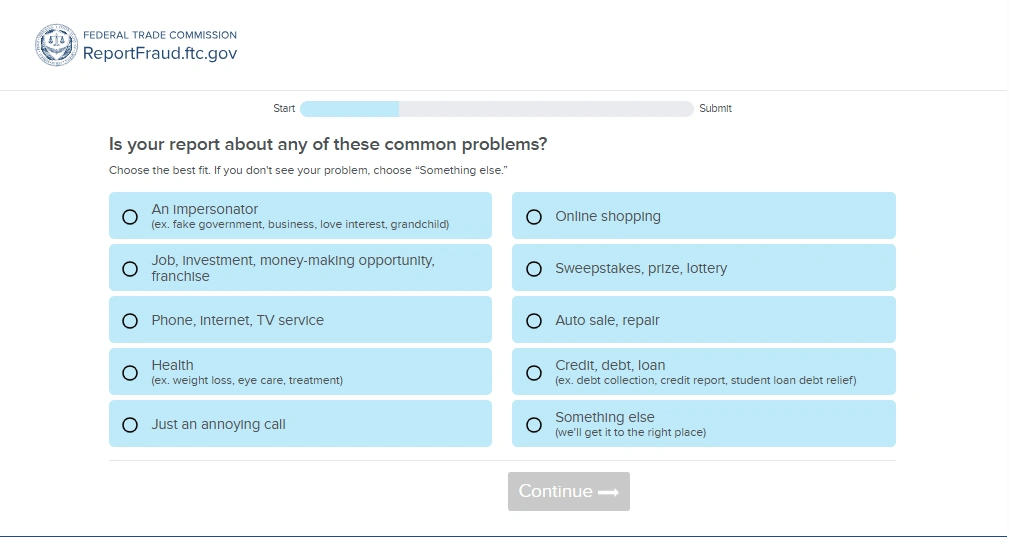
- Federal Trade Commission: reportfraud.ftc.gov
- FBI Internet Crime Complaint Center: ic3.gov
- Scam text messages: Forward them to 7726 (SPAM)
Warn the People Around You
The Port Washington lady did just the right by posting publicly. A single Facebook post can cover hundreds of individuals in your locality in a few hours. Post what is happening in your neighbourhood group, Nextdoor, or any other place where your neighbours are present on the internet. Add the tracking number, name of the store or the link of the seller and a short description of what transpired. It is possible that your post may help save another person the experience.
How I Would Protect Myself Before It Happens
Look into sellers properly before buying anything. I always check reviews, return policies, and how long the account has been active. New social media shops with no history and suspiciously cheap prices are worth treating with real caution.
Sign up for USPS Informed Delivery. It is free, and it sends you daily previews of incoming post and parcels. If you are expecting a delivery and it never appears in your Informed Delivery dashboard, that is worth paying attention to.
The Blank Envelope Scam at a Glance
| What the Scammer Does | What You See | The Reality |
|---|---|---|
| Posts blank envelopes to your ZIP code | “Delivered” on USPS website | Delivered to a completely different address |
| Sends you the tracking number | Real scan history on usps.com | That package was never meant for you |
| Claims proof of delivery in your dispute | ZIP code appears to match | The street address is entirely different |
| Ignores your refund request | Dispute feels impossible to win | You can challenge it with address proof |
A few more habits I think are genuinely worth building:
- Save every order confirmation – the item description, price, seller name, and tracking number all in one place.
- Always pay by credit card rather than debit card or payment apps, as the fraud protection is significantly stronger.
- Ask for Signature Confirmation on high-value orders so USPS cannot mark something as delivered without your actual sign-off.
- Never click a tracking link sent directly by the seller always go to usps.com yourself and enter the number manually.
- Check the delivery weight and location in the scan history as soon as you receive any tracking number.

